HiSiliconhi3518ev300+imx307Development Board
Project: Board Introduction | page_id: 877
| 3518ev300+imx307 Development Board | |
|---|---|
| Model | XSWTVR-1CE18EV300307/EX |
| CPU | HI3518EV300 |
| Video Encoding | Supports H.265/H.264 encoding/decoding, max resolution 1920*1080@60fps |
| Sensor | IMX307 low-light CMOS sensor |
| Intelligent Analysis | 1TOPS computing power; supports face recognition, e-bike detection, pedestrian detection, etc. |
| Audio Input | Sampling rate: 8K/12K/16K/24K/32K/44.1K/48K |
| Audio Output | Supported |
| Storage | SPI NOR 128Mbit flash |
| Memory | 1GB |
| USB | USB 2.0 |
| Network | RJ45 10/100M |
| Operating Temperature | 0 to 70℃ |
| Service Life | Continuous operation lifespan of more than 2 years |
1. Product Images
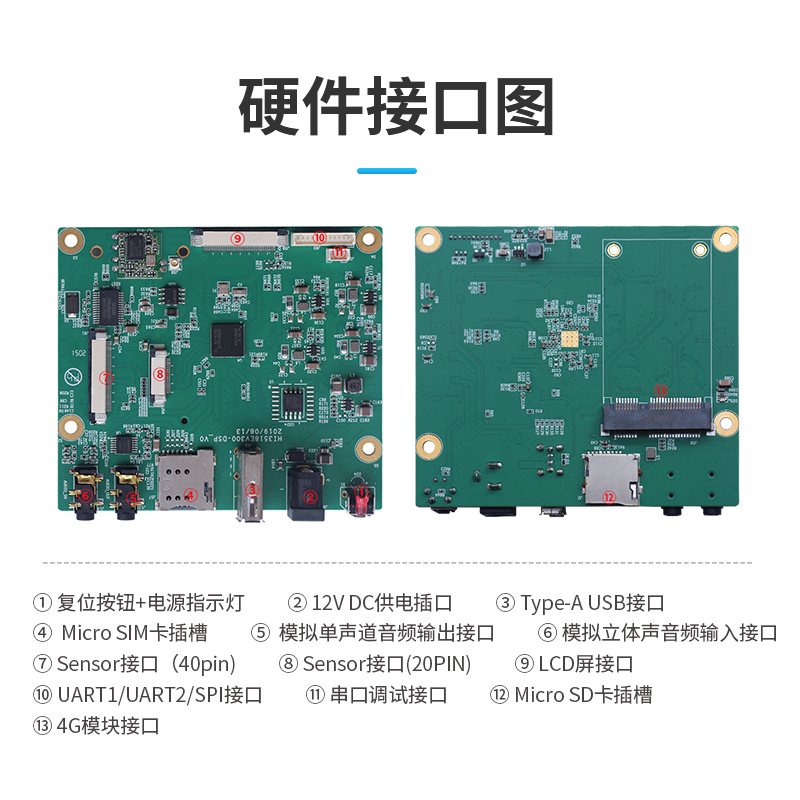
2. CPU Specifications
Description
As a new-generation consumer Camera SOC, Hi3518EV300 integrates a new-generation ISP together with the industry's latest H.265 video compression encoder, leading the industry in low bitrate and high image quality. It also supports intelligent applications such as human detection, face detection and abnormal sound detection. With advanced low-power process and low-power architecture design, Hi3518EV300 leads the industry in low power consumption. It integrates POR, RTC and Audio Codec, greatly reducing the eBOM cost for customers.
• Integrated new-generation ISP
• Low bitrate, low latency and low power consumption; supports fast-boot battery solution
• Supports human/face detection and abnormal sound detection
Features
Processor Core
Supports 4x4 Pattern RGB-IR sensor
3A (AE/AWB/AF), supports third-party 3A algorithms
Fixed pattern noise removal, defective pixel correction
Lens shading correction, lens distortion correction, purple fringing correction
Direction-adaptive demosaic
Gamma correction, dynamic contrast enhancement, color management and enhancement
Region-adaptive defog
Multi-level noise reduction (BayerNR, 3DNR) and sharpening enhancement
Local Tone mapping
Sensor Built-in WDR
2F-WDR frame mode
Digital image stabilization
Supports intelligent ISP tuning; provides PC-side ISP tuning tools
3. Hardware Interface Diagram
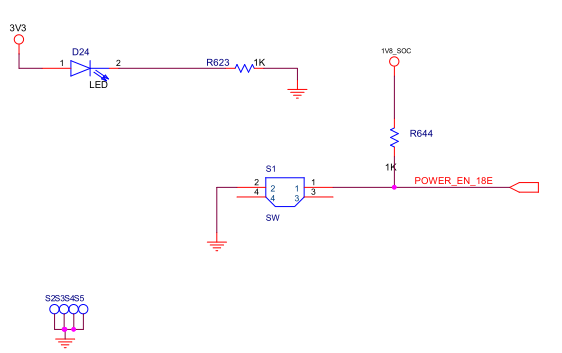
(1) power enable
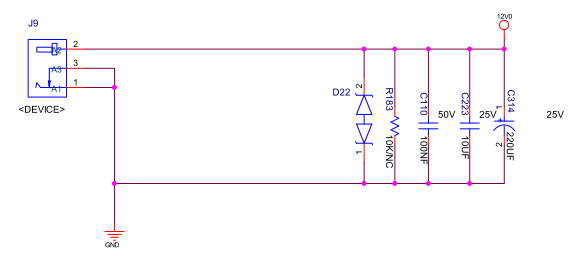
(2) power in
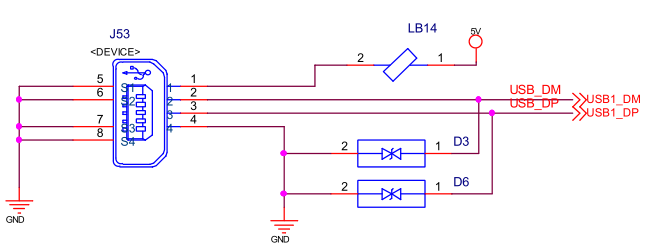
(3) USB
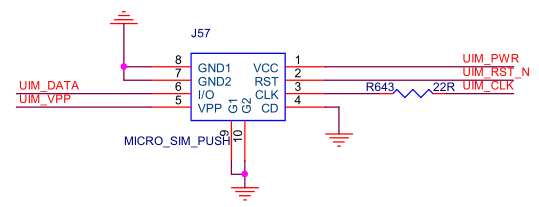
(4) MICRO SIM PUSH
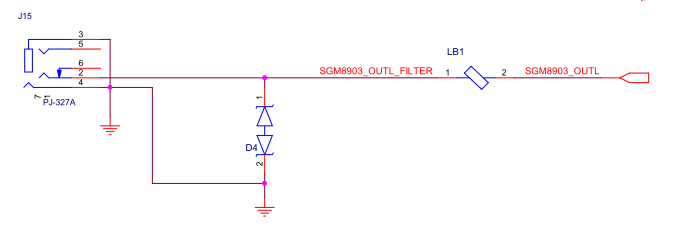
(5) SGM8903 OUTL
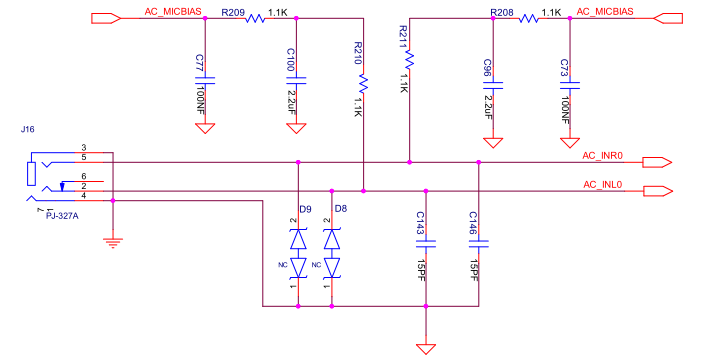
(6) AUDIO IN
(7) LENS
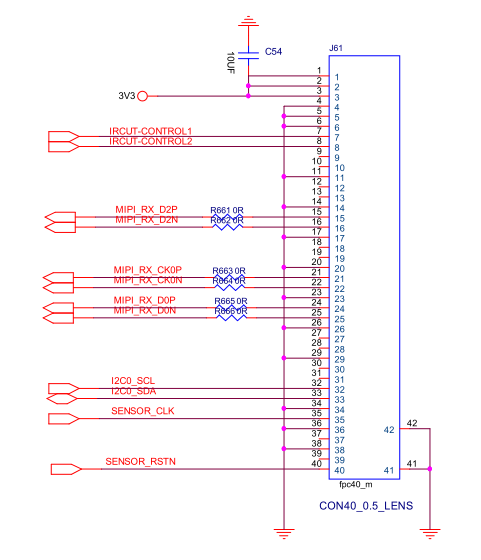
(8) SENSOR0
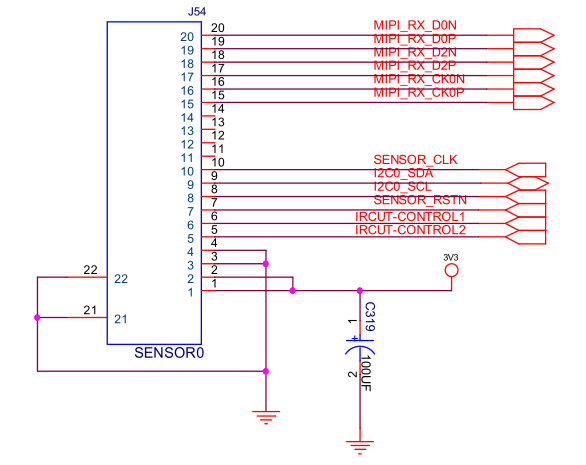
(9) LENS
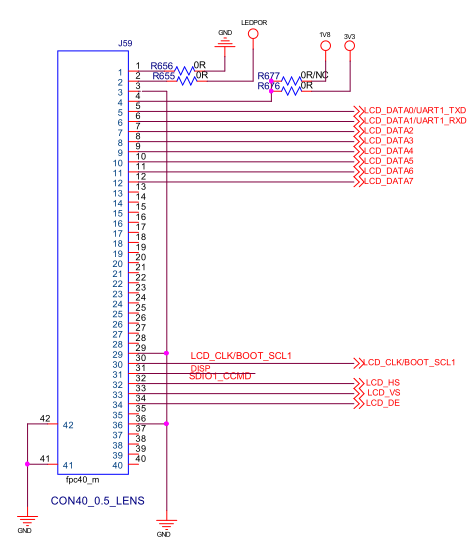
(10) UART1/UART2/SPI1
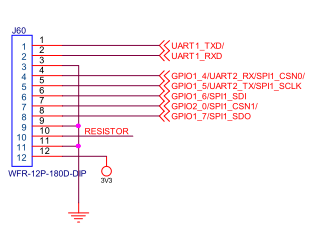
(11) UART0
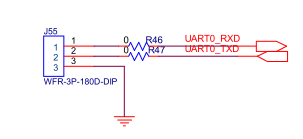
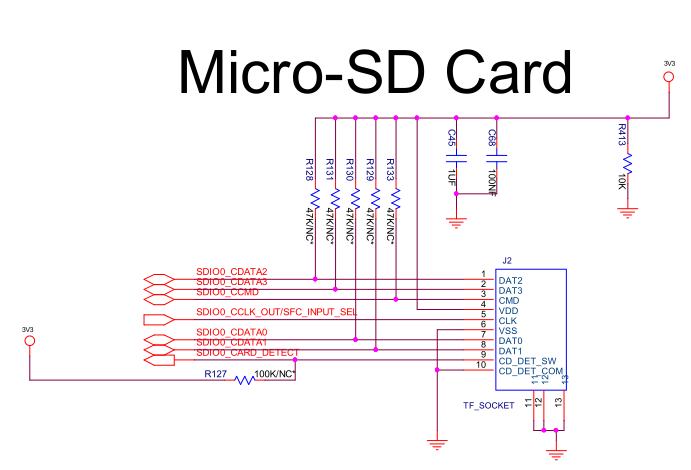
(12) micro SD card
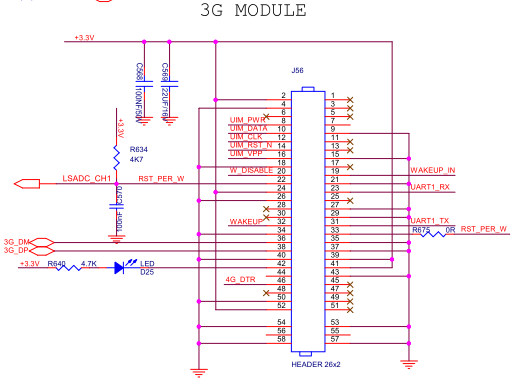
(13) 3G Module
4. FAQ
| Question | Answer |
|---|---|
| 1. What package does the 3518EV300 use? | QFN |
| 2. How many camera channels can the board connect at most? | 1 channel |
| 3. Does it support WiFi? | No, but there is a USB port that can be used for expansion |
| 4. Are the schematic and PCB available? | The schematic and PCB are charged separately. Schematic: 800, PCB (Cadence source files): 1200. A BOM is provided |
| 5. Does the camera support full color? | Yes |
| 6. Is there an Ethernet port? | Yes |
| 7. Is this sensor connected on MIPI? Can it use imx462? | Yes, it is on MIPI; imx462 requires a customized sensor board |
| 8. What is the maximum pixel count lens supported by 3518? Can it support 10MP? | Generally 2MP. 10MP is not supported because of ISP limitations |
| 9. Can the board be connected with a network cable? What is the virtual machine password? | Yes, it can be connected with a network cable. The VM password is 123456 |
| 10. Which UART is used as the debug serial port? | UART0 |
| 11. How do I configure u-boot and the kernel and download the root filesystem? Do you provide this method? | It is provided in the SDK |
| 12. Do you provide guidance on how to set up a Linux environment? | We provide a virtual machine with a ready-to-use Linux environment |
| 13. Is the DVP interface brought out? | No |
| 14. How many TOPS can Hi3518EV300 achieve? | Hi3518EV300 has no AI computing power |
| 15. Can this development board connect a display? What display interface and screen size are supported? | It supports a MIPI screen, 7 inch |
| 16. What is the interface between imx307 and the main board? | MIPI interface |
| 17. Is a LiteOS SDK provided? | Yes, but no technical support is provided for LiteOS. Only Linux technical support is provided |
| 18. Does it have gyroscope-based digital image stabilization? | No |
| 19. Is the HiSilicon PQTools software provided? | Yes |
| 20. What are the memory and DDR sizes? | SPI NOR is 16MByte, DDR is 64MByte |
| 21. What is the power consumption? | Within 2W |
| 22. Can it connect an LCD? | Yes, but we do not sell the matching screen |
| 23. Why does the SDK material show 3516ev200? | HiSilicon's SDK is integrated and shared across chips |
| 24. Does it support HarmonyOS? | It supports LiteOS, and LiteOS is a subset of HarmonyOS. A LiteOS SDK is provided, but no LiteOS technical support is provided; only Linux technical support is provided |
| 25. Is the SD card slot on the board routed from the 3518 SDIO interface? | Yes |
| 26. Is the USB port host or device? | Host |
| 27. Are the ADC and I2C not brought out on this board? | I2C is available on the sensor connector (other boards do not have it, only hi3518ev300 does) |